
This Pelosi post got me thinking about just what a Democratic response to a Ryan-style plan on Medicare should even be. After all, if you work from Ryan’s far right starting point and counter with “well, let’s just privatize x% of Medicare for this set of individuals” or some other “sensible middle” type compromise, then you’ve already lost. You’ve advanced the GOP’s idea of the program (which is a bad one) significantly and at the expense of the better solution: Medicare as it stands or Medicare plus substantial improvements.
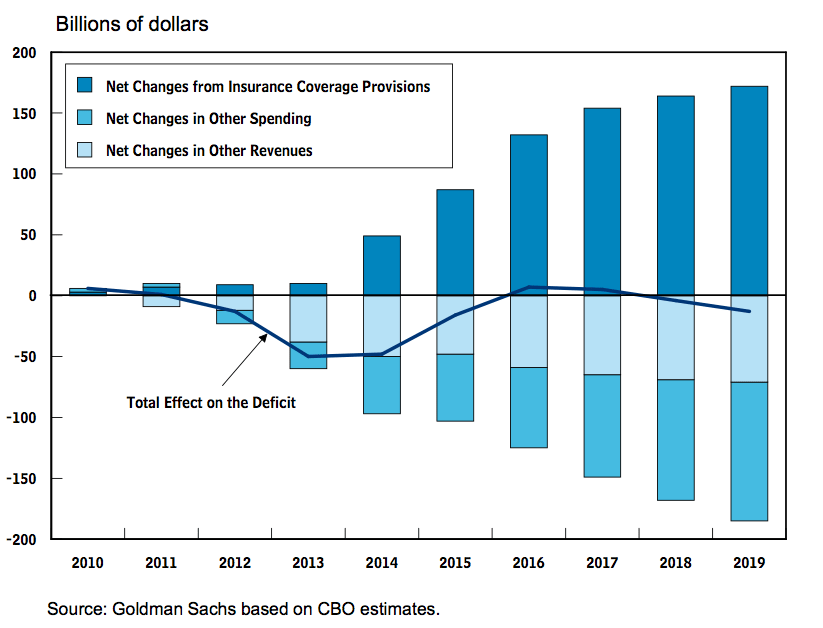
It is a fact that the real driver of deficits in this country are healthcare expenses. Don’t take it from me, here’s the CBO’s report (PDF link):
Medicare and Medicaid are responsible for 80 percent of the growth in spending on the three largest entitlements over the next 25 years and for 90 percent of that growth by 2080.
But if we could achieve the per patient healthcare cost of most of the other developed nations in the world, we’d be facing yawning surpluses in this country, not deficits, and we’d very likely have better individual health outcomes to boot.
Therefore: the Democratic response to Ryan’s “privatize Medicare” should in fact be: Medicare For All. Period. We don’t want to reduce this program. Like 87% of all Americans, we think it should at the bare minimum stay just as it is. Preferably, we’d like to massively expand it. This has the dual benefit of covering medical expenses for everyone in the country and relieving the number one deficit driver in the economy: everyone’s medical expenses. Plus this means we eliminate the dread ACA and its totalitarian horrors. Everyone wins!
Now, of course, I don’t really think Medicare For All has any particular chance of becoming law; what using this sort of proposal does do is set the limits of the debate more appropriately and in ways that tend to favor outcomes preferable to the Democrats.
On the right: Eliminate Medicare and let the wealthy fend for themselves.
On the left: not only keep Medicare, but make it the healthcare provider for all, with tremendous humanitarian benefit but also knock-on budget benefits.
Then you’d be down to arguing about whose plan actually saves more money long term and how that impacts health outcomes in America. Which is precisely where the debate needs to be.
 Lemkin